
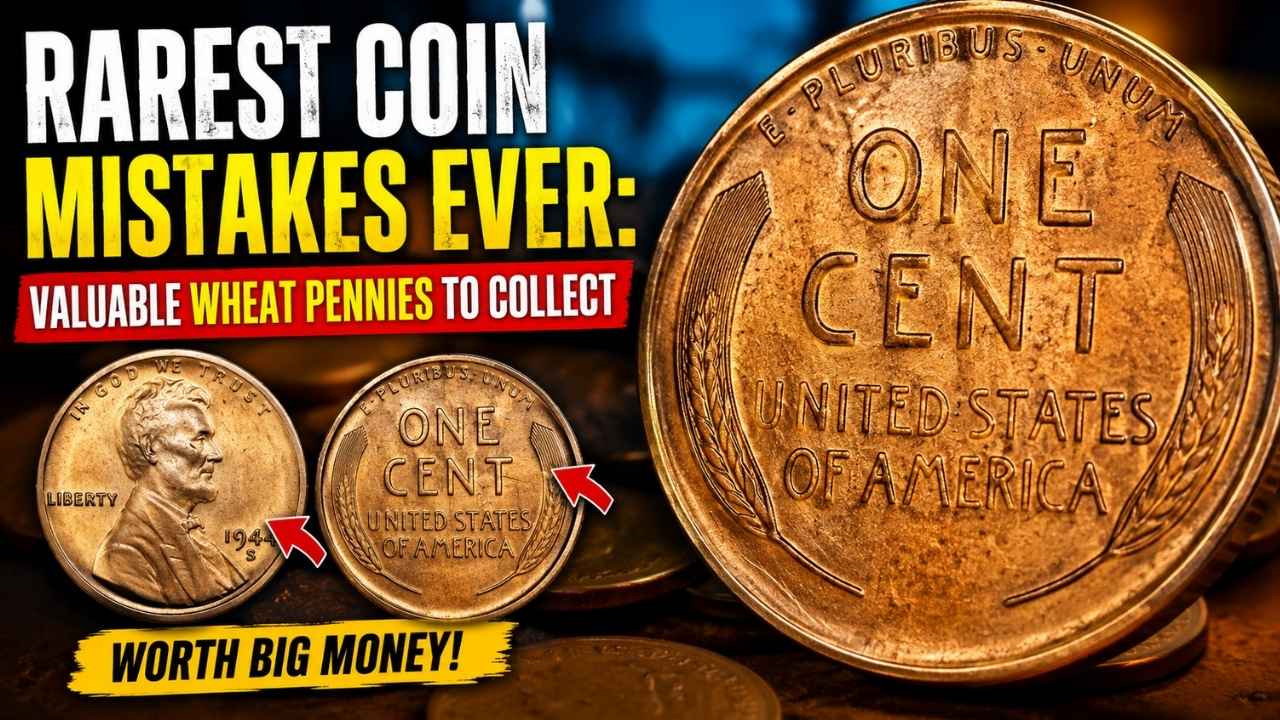
Coin collecting is one of those rare hobbies where normal looking pocket change can sometimes turn into high value collectibles. Among all historic coins, the Lincoln Wheat Penny is one of the most famous and widely collected coins in the world.
What makes it special is not only its age but also the rare minting mistakes that happened during production. These errors were never planned, but today they make certain pennies extremely valuable.
In this guide, you will learn about the rarest Wheat Penny mistakes, valuable versions, how to identify them, and what beginners often miss.
What is a Wheat Penny
The Lincoln Wheat Penny was first introduced in 1909 in the United States to honor Abraham Lincoln. It was produced until 1958 and features wheat stalks on the reverse side.
Because it was minted for many decades during major historical events, different versions and errors were created, making it a hot favorite among collectors.
Rare Minting Mistakes That Increase Value
Mint errors happen when something goes wrong during coin production. These mistakes make coins unique and valuable.
One of the most famous errors is the doubled die penny. In this case, the design appears slightly doubled, especially in letters and numbers. The 1955 doubled die penny is the most popular example and highly valuable.
Another rare mistake is the off center strike. This happens when the coin is not properly aligned during stamping, causing the design to shift.
A clipped planchet error occurs when part of the coin is missing due to improper cutting of the metal sheet. These coins look like a portion has been sliced off.

Most Valuable Wheat Pennies
Some Wheat Pennies are valuable even without errors due to rarity.
The 1909 S VDB penny is one of the rarest early versions with limited mintage.
The 1943 copper penny is extremely rare because most pennies that year were made from steel. A few copper ones were accidentally produced.
The 1922 no D penny is another famous error where the mint mark is missing due to die issues.
How to Identify Rare Wheat Pennies
Start by checking the year carefully. Certain years like 1909, 1914, 1922, 1943, and 1955 are very important.
Look closely at letters and numbers using a magnifying glass. Doubling or shadow effects may indicate a valuable error.
Check coin edges for missing parts or unusual shapes.
Compare weight if possible. For example, 1943 steel pennies are lighter than copper ones.
Common Mistakes Collectors Make
Many beginners clean old coins, which actually reduces their value.
Another mistake is thinking all old coins are valuable. Value depends on rarity and condition, not age.
Fake rare coins also exist in the market, especially high value ones like the 1943 copper penny.
Improper storage can also damage coins over time.
Why Wheat Pennies Are Still Popular
Wheat Pennies remain popular because they are easy to find, historically important, and sometimes extremely valuable.
Even today, collectors still discover rare pennies in old collections and coin jars.
Tips for Beginners
Learn coin grading basics first.
Study real examples before buying or selling coins.
Use simple tools like a magnifying glass and coin holder.
Join coin collecting groups to learn from experienced collectors.

Be patient because rare finds take time.
Frequently Asked Questions
What makes a Wheat Penny valuable
Rarity, mint errors, condition, and low production numbers increase value.
Which Wheat Penny is the rarest
The 1943 copper penny is one of the rarest.
Can Wheat Pennies still be found today
Yes, but very rarely in circulation.
Should coins be cleaned before selling
No, cleaning reduces value.
Conclusion
Wheat Pennies are more than just old coins. They are pieces of history that sometimes contain rare mistakes worth serious money.
With the right knowledge, even a simple penny can turn into a valuable discovery.