
Coin collecting has always been full of surprises, but nothing excites collectors more than discovering a penny that almost nobody can find. Across the United States, rare pennies have become some of the most searched and talked about coins in the collecting world. Many people still carry valuable pennies in their pockets without even realizing their true worth. One particular penny has now earned the reputation of being one of the hardest coins to locate, and collectors everywhere are desperate to get their hands on it.
The story behind this rare penny is fascinating because it combines history, mystery, and incredible value. Some collectors have spent decades searching for one example, while others accidentally discovered it in old jars, family collections, or bank rolls. The excitement around this coin continues to grow every year.
Why This Penny Became So Valuable
The reason this penny became extremely valuable is due to its rarity and unusual production history. During certain years, the United States Mint produced coins with small errors, limited mintages, or experimental materials. These mistakes were never meant to enter circulation, which makes surviving examples incredibly rare today.
Collectors especially value coins that have unique characteristics. Even the smallest detail can increase a coin’s worth dramatically. A tiny minting error, unusual color, missing letter, or incorrect metal composition can turn an ordinary penny into a life changing discovery.
Experts say demand for rare pennies has increased sharply because younger collectors are now entering the hobby through social media and online marketplaces. Viral stories about ordinary people finding valuable coins at home have inspired millions to check their spare change more carefully.
The Famous Rare Penny That Shocked Collectors
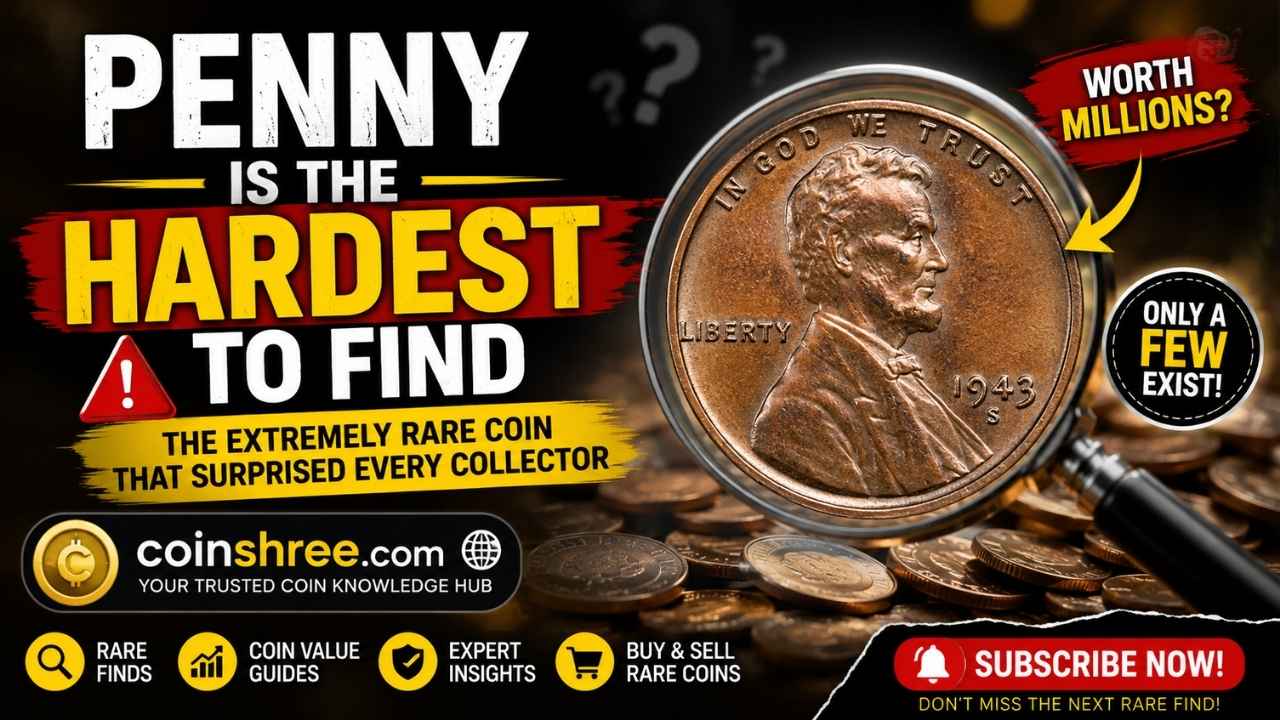
Among all rare pennies, the 1943 bronze Lincoln penny remains one of the most legendary. During World War II, pennies were mostly made from steel to save copper for wartime needs. However, a few bronze blanks accidentally remained in the minting machines and were struck with the 1943 date.
Only a handful of these coins are known to exist today. Because they were never intended for circulation, collectors consider them among the rarest pennies in American history. Some examples have sold for hundreds of thousands of dollars, while top condition coins crossed the million dollar mark at auctions.
What makes this coin even more interesting is that many people still search for it regularly. Since millions of 1943 steel pennies were produced, there is always hope that another bronze version could appear somewhere unexpectedly.
How to Identify a Rare Penny
Many people wonder how they can identify a valuable penny from ordinary coins. The first step is checking the date carefully. Certain years are famous among collectors because of low production numbers or known minting errors.
Pay attention to the coin’s color and weight. A 1943 bronze penny, for example, looks copper colored instead of silver like normal steel pennies from that year. Another quick test is using a magnet. Steel pennies stick to magnets, but bronze ones do not.

Collectors should also inspect coins for double lettering, missing marks, or unusual shapes. Sometimes even a tiny detail can increase a coin’s value dramatically.
Condition matters as well. Coins with sharp details, clean surfaces, and limited wear usually command much higher prices than damaged examples.
Why Coin Collectors Are Obsessed With Rare Pennies
Rare pennies hold a special place in the coin collecting community because they are affordable to search for yet potentially life changing in value. Unlike expensive gold or silver coins, pennies are still common in everyday circulation. This creates excitement because anyone could theoretically discover a fortune in their pocket change.
Collectors also appreciate the historical stories attached to these coins. Every rare penny reflects a specific moment in American history. Wartime production changes, mint errors, and limited releases all contribute to the mystery behind these tiny pieces of metal.
For experienced collectors, finding a rare penny feels similar to discovering hidden treasure. The thrill comes from knowing that even after decades of searching, unexpected discoveries still happen.
Other Valuable Pennies Worth Checking
While the 1943 bronze penny receives most attention, several other pennies are also extremely valuable. The 1909 S VDB Lincoln cent is one of the most famous early pennies because of its limited production. Collectors constantly search for this coin due to its historical importance and rarity.
Another highly desired coin is the 1955 doubled die penny. This coin features visibly doubled text and numbers, making the error easy to spot even for beginners.
The 1969 S doubled die penny is another collector favorite and can sell for enormous amounts depending on condition. Some modern pennies with unusual mint errors are also becoming increasingly valuable.
Checking old coin jars, inherited collections, and bank rolls can sometimes lead to surprising discoveries.
How Much Can a Rare Penny Be Worth
The value of rare pennies depends on rarity, condition, and collector demand. Common old pennies may only be worth a few cents above face value, but rare examples can reach astonishing prices.
A genuine 1943 bronze penny in excellent condition may sell for hundreds of thousands or even over one million dollars at major auctions. The 1909 S VDB penny can also fetch thousands of dollars depending on quality.
Even smaller mint errors sometimes sell for hundreds of dollars because collectors enjoy owning unusual coins. As interest in coin collecting continues growing worldwide, prices for rare pennies may continue increasing in the future.
Professional authentication is extremely important before selling any potentially valuable coin. Counterfeit rare pennies exist, especially for famous issues like the 1943 bronze cent.
Where People Are Still Finding Rare Pennies
One of the most surprising things about rare penny discoveries is where they are found. Some collectors discovered valuable coins in old piggy banks, garage sales, estate sales, and inherited collections.
Bank coin rolls remain a popular hunting method among enthusiasts because older coins occasionally appear in circulation. Antique shops and flea markets are also worth checking carefully.
Many collectors recommend learning basic coin identification skills before searching. Understanding dates, mint marks, and common errors can dramatically improve your chances of recognizing something valuable.
Patience is essential because rare coin hunting often takes time. However, stories of unexpected discoveries continue inspiring collectors around the world.
The Growing Popularity of Coin Collecting
Coin collecting has seen a major revival in recent years. Younger generations are becoming interested after seeing viral stories online about rare coins selling for huge amounts. Videos showing collectors finding valuable pennies in circulation regularly attract millions of views.
The hobby is also educational because it teaches history, economics, and attention to detail. Many families now enjoy searching through coins together as a fun activity that could potentially lead to a valuable discovery.
Experts believe interest in rare pennies will remain strong because they combine affordability, history, and excitement in a way few hobbies can match.

FAQ
What is the rarest penny in the United States?
The 1943 bronze Lincoln penny is considered one of the rarest and most valuable pennies ever produced in the United States.
How can I tell if my 1943 penny is valuable?
Check whether the coin sticks to a magnet. Common 1943 steel pennies are magnetic, while rare bronze versions are not.
Are old pennies always valuable?
No. Age alone does not determine value. Rarity, condition, and mint errors are the biggest factors.
Can valuable pennies still be found in circulation?
Yes. Although rare, collectors still occasionally discover valuable pennies in circulation, bank rolls, and old collections.
Should I clean a rare penny before selling it?
No. Cleaning can damage the coin and reduce its value significantly. Collectors prefer coins in original condition.
Official Source
For official information about U.S. coins and mint history, visit the United States Mint Official Website