
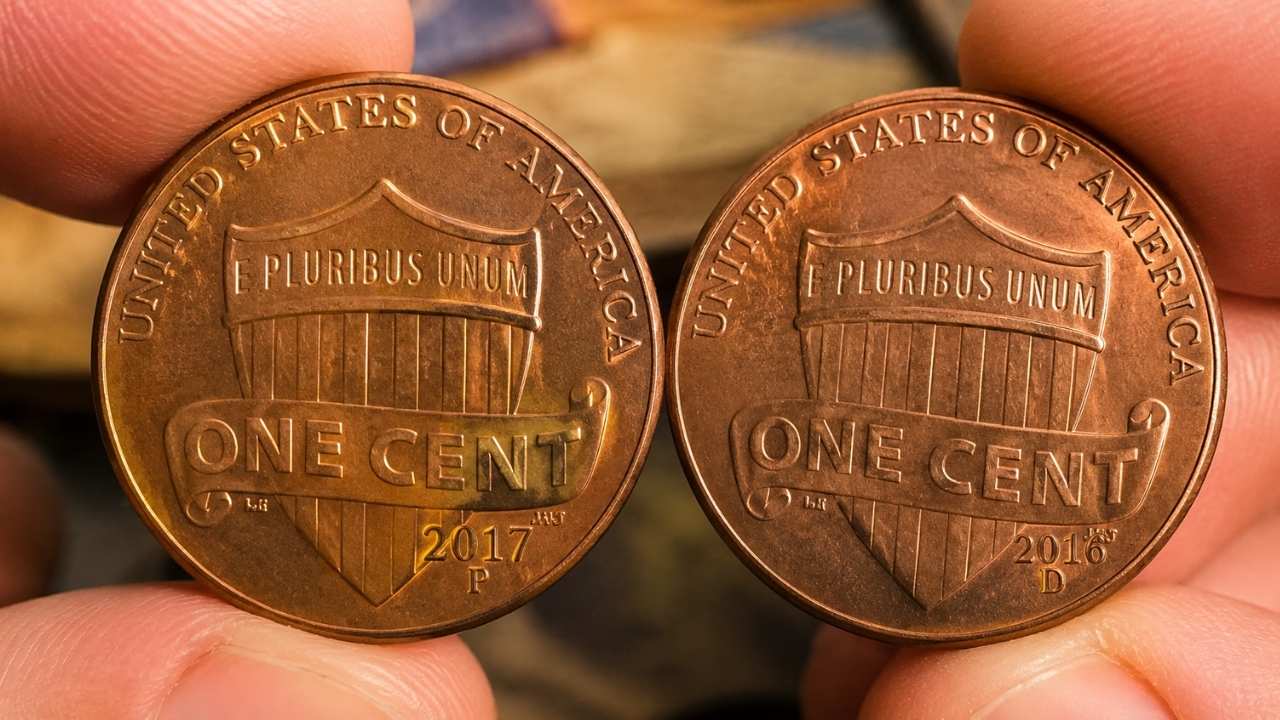
Collectors across the United States are paying close attention to modern Lincoln Shield pennies, especially the 2017 P and 2016 D cents. These coins may look ordinary at first glance, but certain rare errors and high grade examples have sold for surprising amounts. Many people still find these pennies in pocket change, coin jars, and bank rolls, making them exciting targets for collectors and treasure hunters.
The Lincoln Shield cent series began in 2010 after the Lincoln Memorial design ended. Since then, millions of coins have entered circulation, but only a small number contain valuable minting mistakes or unusual characteristics. Among them, the 2017 P penny and the 2016 D penny have become especially popular because of their historical importance and error varieties.
If you have old pennies sitting at home, this guide explains everything you need to know about identifying valuable examples, spotting hidden errors, understanding coin grades, and estimating potential market value.
Why the 2017 P Penny Is Special
The 2017 P Lincoln cent made history because it was the first time in over two centuries that the Philadelphia Mint added the “P” mintmark to a one cent coin. The special mintmark was introduced to celebrate the 225th anniversary of the United States Mint.
Normally, Philadelphia pennies do not carry a mintmark. That single design change instantly turned the 2017 P cent into an important modern collectible. Even though millions were produced, collectors saved many examples, especially those in uncirculated condition.
While circulated coins are generally worth face value, high grade coins and error varieties can command much higher prices.
Most Valuable 2017 P Penny Errors
Several rare mint errors have made the 2017 P penny highly collectible. Some examples have sold for hundreds or even thousands of dollars depending on rarity and condition.
Doubled Die Error
A doubled die occurs when the coin die receives multiple impressions at slightly different angles. On some 2017 P pennies, doubling can appear on the lettering, date, or Lincoln’s features.
Collectors should inspect:
• “LIBERTY”
• “IN GOD WE TRUST”
• The date “2017”
• Lincoln’s eye and ear
Strong doubling can significantly increase value.
Off Center Strike Errors
An off center strike happens when the coin blank is not properly aligned during minting. This creates a design that appears shifted.
The more dramatic the error, the higher the value. Coins showing 10% to 50% off center strikes while still displaying the full date are especially desirable.
Die Crack and Cud Errors
Some 2017 P cents show raised lines caused by cracked dies. Large die breaks known as “cuds” are even more valuable because they create missing sections on the coin’s design.
Collectors often pay premium prices for dramatic die crack examples in mint state condition.

2017 P Penny Value Chart
Here is a general estimate of current collector values:
• Circulated condition: $0.01 to $1
• Uncirculated MS65 examples: $5 to $25
• Doubled die errors: $50 to $500+
• Major off center strikes: $100 to $1,000+
• Rare certified mint errors: Up to several thousand dollars
Professional grading plays a major role in determining final value.
Why the 2016 D Penny Is Gaining Attention
The 2016 D Lincoln Shield cent from the Denver Mint is another coin attracting growing interest among collectors. Although the mintage was large, rare error coins and high grade specimens remain difficult to find.
Many collectors believe modern pennies are overlooked, which creates opportunities for people who know what to search for.
Valuable 2016 D Penny Errors
The 2016 D penny has several known mint errors worth searching for carefully.
Repunched Mintmark Appearance
Although true repunched mintmarks are uncommon on modern coins, some 2016 D cents show unusual mintmark distortions caused by die deterioration or mechanical doubling.
Coins with clearly visible abnormalities around the “D” mintmark attract strong collector interest.
Broadstrike Errors
Broadstruck pennies are created when the retaining collar fails during minting. The result is a coin that appears wider and flatter than normal.
These errors are easy to identify and can sell for strong premiums.
Clipped Planchet Errors
A clipped planchet occurs when part of the metal blank is missing before the coin is struck. These coins have crescent shaped missing sections and are considered genuine mint errors.
Values depend on clip size, visibility, and overall condition.
Die Chip Errors
Small raised blobs near letters or numbers can indicate die chip errors. Some collectors specialize in these minor varieties because each one is unique.
Larger die chips can increase value considerably.
2016 D Penny Value Guide
Current market estimates include:
• Circulated examples: Face value to $1
• Brilliant uncirculated coins: $3 to $20
• Broadstrike or clipped planchet errors: $50 to $400+
• Major mint errors in certified holders: $500 to $2,000+
Rare discoveries continue appearing as more collectors examine bank wrapped rolls and pocket change.
How Coin Grading Impacts Value
Condition is one of the biggest factors affecting a penny’s price. Professional grading services use a numerical scale from 1 to 70.
Coins graded MS65 or higher are considered premium quality. Features of high grade coins include:
• Strong original luster
• Minimal scratches
• Sharp details
• Clean surfaces
Even common pennies can become valuable in near perfect condition.
How to Check Your Pennies for Errors
If you want to search your coins properly, follow these simple steps:
• Use a magnifying glass or coin microscope
• Check dates and mintmarks carefully
• Look for doubling on letters and numbers
• Examine edges for clips or unusual shapes
• Compare suspicious coins with normal examples
• Store coins safely to prevent damage
Many valuable coins are discovered by ordinary people who simply take time to inspect their change.
Are These Pennies Still Found in Circulation
Yes. Both the 2017 P and 2016 D Shield cents still circulate widely across the United States. Because most people ignore pennies, valuable error coins sometimes remain unnoticed for years.
Collectors often search:
• Bank coin rolls
• Coin jars
• Cash register change
• Estate collections
• Piggy banks
Finding a rare error coin in circulation is uncommon but still possible.
Should You Get Your Penny Professionally Graded
If you believe your coin has a rare error or appears to be in exceptional condition, professional grading may be worth considering.
Certified coins are usually easier to sell because buyers trust authenticated grades and error descriptions. Top grading companies also protect coins in tamper resistant holders.

Before submitting a coin, compare grading costs with estimated market value.
Future Outlook for 2017 P and 2016 D Pennies
Modern error coins continue gaining popularity, especially among younger collectors. The historic first ever “P” mintmark on a Philadelphia cent gives the 2017 P penny long term collector appeal.
Meanwhile, rare 2016 D errors are becoming harder to locate as collectors remove them from circulation.
As interest in modern coin collecting grows, prices for scarce high grade examples and dramatic errors could continue rising in future years.
FAQ
Are all 2017 P pennies valuable?
No. Most circulated examples are only worth face value, but error coins and high grade uncirculated examples can be valuable.
What is the rarest 2017 P penny error?
Major doubled die and dramatic off center strike errors are among the rarest and most valuable.
How much is a 2016 D penny worth today?
Regular circulated coins are usually worth one cent, but rare errors can sell for hundreds or even thousands of dollars.
Can I find these pennies in pocket change?
Yes. Both coins are still found in circulation, although valuable errors are rare.
What tools help identify coin errors?
A magnifying glass, LED lighting, and a digital microscope are useful for examining small details.
Where can I verify coin information officially?
You can visit the official United States Mint website here:
United States Mint Official Website
Final Thoughts
The 2017 P and 2016 D Lincoln Shield pennies prove that valuable treasures can still hide in everyday change. While millions were minted, rare error varieties and high grade specimens continue attracting serious attention from collectors.
Whether you are a beginner or an experienced coin hunter, checking your pennies carefully could lead to an exciting discovery. From doubled dies to off center strikes and clipped planchets, these hidden errors have turned ordinary one cent coins into valuable modern collectibles.