

Imagine discovering that the change in your pocket could be worth thousands of dollars. Many people unknowingly hold valuable coins without realizing it. Among the most intriguing and potentially profitable are wheat pennies. These coins, which were once everyday currency, have become prized collectibles for coin enthusiasts and investors. Understanding how to spot a valuable wheat penny can turn ordinary pocket change into a hidden treasure.
What Are Wheat Pennies
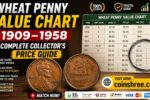
Wheat pennies, also called Lincoln wheat cents, were first minted in 1909 to commemorate Abraham Lincoln’s 100th birthday. Unlike modern pennies, the reverse side features two stalks of wheat, which gives them their name. These coins were produced until 1958, after which the Lincoln Memorial design replaced the wheat motif.
What makes wheat pennies special is their historical significance and potential rarity. While many are common, some coins are incredibly rare, especially those with limited mintage or unique minting errors. Collectors are willing to pay substantial amounts for such coins, making them an exciting area for both hobbyists and investors.
How to Identify Valuable Wheat Pennies
Not all wheat pennies are worth a fortune. To determine whether a coin might be valuable, pay attention to the following factors:
- The year of the coin: Certain years are more rare than others. For example, the 1909-S VDB, 1914-D, 1922 no D, and 1931-S coins are highly sought after.
- The mint mark: Look for small letters below the date. Coins from certain mints are rarer and more valuable.
- Coin condition: Coins in excellent condition, with minimal wear, are worth more. Grading ranges from Poor (P-1) to Mint State (MS-70).
- Errors and anomalies: Some coins feature double dies, off-center strikes, or unusual markings that can significantly increase value.
Even pennies that appear ordinary could be worth much more than their face value if they meet one or more of these criteria.
Where to Find Wheat Pennies
Wheat pennies are not as rare as people often assume, and they can still be found in everyday places. Some of the best places to look include:
- Spare change in wallets or coin jars
- Old family collections or inherited coin sets
- Bank rolls of pennies
- Thrift stores, flea markets, and estate sales
Patience and careful inspection are key. Many collectors have discovered valuable coins simply by taking the time to examine their existing change.

How to Determine the Value of a Wheat Penny
Determining a coin’s value requires a careful assessment of rarity, condition, and market demand. Even slightly worn coins from rare years can be worth hundreds or thousands of dollars. For accurate evaluation, consider using a coin guidebook, online price guide, or professional grading service.
Professional grading services, such as PCGS or NGC, provide certification that can increase buyer confidence and enhance the coin’s market value. Certification is especially valuable for coins with rare errors or in high-grade condition.
Tips for Preserving Wheat Pennies
Proper care is essential to maintain a coin’s value. Avoid cleaning pennies with abrasive materials or chemicals, as this can reduce their worth. Store coins in protective holders, albums, or air-tight containers to prevent damage from moisture, dust, and air exposure.
When handling coins, use cotton gloves or hold them by the edges to avoid fingerprints and scratches. Proper storage and careful handling ensure that your coins retain their collectible value over time.
Selling Wheat Pennies
If you decide to sell a valuable wheat penny, there are several options available. You can sell through online marketplaces, auctions, or reputable coin dealers. Some collectors also attend coin shows or conventions to buy and sell coins in person.
It is important to provide accurate descriptions of the coin’s condition, year, and mint mark. Certified coins often sell for higher prices, particularly if they are rare or have unique errors.
Why Wheat Pennies Are Still Popular
Wheat pennies continue to capture the interest of collectors and investors because they combine history, collectible appeal, and investment potential. These coins offer a tangible connection to the past while providing the excitement of potentially discovering a valuable treasure.
Even casual collectors who start by examining spare change often develop a deeper interest in coins. Some focus on rare dates and minting errors, while others build comprehensive collections spanning decades of Lincoln cents.
Frequently Asked Questions About Wheat Pennies
How can I tell if my wheat penny is valuable
Check the year, mint mark, and condition. Coins from rare years or with unusual minting errors are more likely to be valuable.
Are all wheat pennies worth money
No. Many wheat pennies are common and worth only their face value, but some rare coins can be extremely valuable.
Can I sell a wheat penny online
Yes. Online marketplaces, auctions, and specialized coin-selling platforms are viable options. Accurate descriptions and professional grading can help you get the best price.
What should I avoid doing to a wheat penny
Do not clean your coin with harsh chemicals or polish it, as this can drastically reduce its value. Handle coins carefully and store them properly.
How do I get a wheat penny professionally graded
Reputable grading services such as PCGS and NGC provide coin evaluation and certification. Follow their submission guidelines for accurate grading.
Where can I learn more about coin collecting
Official numismatic websites, guidebooks, and local coin clubs are great resources for beginners and experienced collectors alike. These provide tips, catalogs, and industry insights.

Conclusion
Wheat pennies may seem like ordinary coins, but they often hold remarkable historical and financial value. By understanding what to look for and taking proper care, you can uncover coins that are both collectible and potentially very profitable. Even casual coin collectors can discover treasures hidden in their everyday change.
Exploring wheat pennies combines history, excitement, and the thrill of discovery. Whether you are a dedicated collector or a curious beginner, these small coins can offer a rewarding connection to the past and the chance for a surprising financial windfall.
For official information on coin collecting and certified grading, visit www.pcgs.com to explore detailed guides, resources, and certification services.