
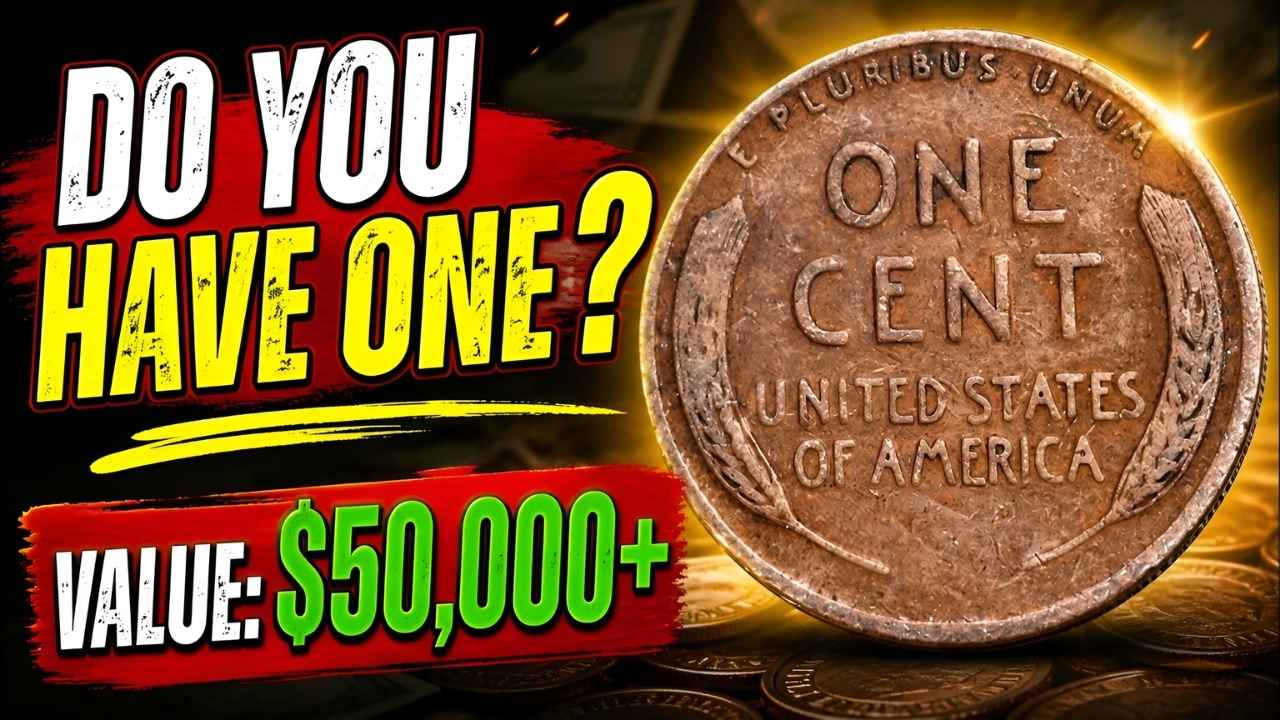
Wheat pennies are among the most searched and collected coins in the United States. These small copper coins may look ordinary, but some rare versions are worth thousands and even millions of dollars today. Coin collectors across the world are constantly searching through old jars, piggy banks, estate collections, and family coin boxes hoping to discover a hidden treasure.
The Lincoln Wheat Penny was first introduced in 1909 and remained in circulation until 1958. While millions were produced, only a few rare varieties and minting errors have become incredibly valuable. The excitement surrounding these coins continues to grow because many people still unknowingly own them.
If you have old pennies stored at home, this guide will help you identify the top valuable Wheat Pennies that collectors are desperately searching for right now.
Why Wheat Pennies Are So Valuable
The value of a Wheat Penny depends on several important factors including rarity, minting errors, historical significance, metal composition, and overall condition. Coins produced in smaller quantities or those with mistakes from the mint often become highly collectible.
Collectors also pay premium prices for coins with strong details, original color, and minimal wear. A rare Wheat Penny in excellent condition can sell for life changing money at auctions.
Another reason for their popularity is nostalgia. These coins represent an important era in American history and many collectors enjoy preserving pieces of the past.
1943 Bronze Wheat Penny
The 1943 Bronze Wheat Penny is considered one of the rarest and most valuable pennies ever made. During World War II, the United States Mint switched from copper to zinc coated steel to save copper for wartime supplies. However, a few bronze planchets from 1942 accidentally remained in the minting machines.
As a result, a tiny number of 1943 pennies were struck using bronze instead of steel. These coins are extremely rare and highly sought after by collectors.
A genuine 1943 Bronze Penny can sell for over $1 million depending on condition. One example sold for hundreds of thousands of dollars at a major auction.
You can identify this coin by using a magnet. The common steel version sticks to a magnet while the rare bronze version does not.
1909 S VDB Wheat Penny
The 1909 S VDB Wheat Penny is another legendary coin in the numismatic world. This was the first year of the Lincoln cent design, created by Victor David Brenner. His initials “VDB” appeared prominently on the reverse side of the coin.
Some people criticized the large initials, so the Mint quickly removed them. Only a limited number were produced at the San Francisco Mint before the design change happened.
Because of the low mintage and historical significance, this penny remains one of the most desired coins among collectors. High grade examples regularly sell for thousands of dollars.

Look carefully for the small “S” mint mark below the date and the “VDB” initials on the reverse side near the bottom edge.
1955 Doubled Die Wheat Penny
The 1955 Doubled Die Penny is famous because of its dramatic minting error. During production, the coin die received a misaligned impression that caused visible doubling on the lettering and numbers.
This doubling is especially noticeable in the words “LIBERTY” and “IN GOD WE TRUST,” as well as the date. Unlike minor errors that require magnification, this one can often be seen with the naked eye.
Collectors love this coin because the error is so obvious and visually striking. Depending on condition, a genuine 1955 Doubled Die Penny can be worth several thousand dollars.
Many counterfeit versions exist in the market, so authentication is important before selling or buying one.
1944 Steel Wheat Penny
The 1944 Steel Penny is another accidental rarity. After producing steel pennies in 1943, the Mint returned to copper in 1944. However, a few leftover steel planchets were mistakenly used during production.
These coins are exceptionally rare and highly valuable. A genuine 1944 Steel Penny can sell for tens or even hundreds of thousands of dollars.
To test this coin, use a magnet. Unlike standard copper pennies, the steel version will stick to a magnet. The coin should also display a silver gray appearance instead of the normal copper color.
Collectors consider this one of the most exciting error coins in American coin history.
1922 No D Wheat Penny
The 1922 No D Wheat Penny is famous because of a missing mint mark. In 1922, Lincoln pennies were only produced at the Denver Mint, meaning every coin should carry a “D” mint mark.
Due to excessive die polishing and wear, some coins lost the mint mark entirely. These rare “No D” pennies became extremely collectible over time.
A true 1922 No D Penny must show strong reverse details while lacking the visible “D” mint mark on the front. Valuable examples can easily sell for thousands of dollars depending on condition.
Because altered coins are common, professional grading is highly recommended.
How to Check If Your Wheat Penny Is Valuable
Many people unknowingly own valuable coins but fail to inspect them properly. Here are a few simple steps to identify a rare Wheat Penny:
Check the year carefully
Look for mint marks such as S or D
Inspect for unusual doubling or errors
Use a magnet to test 1943 and 1944 pennies
Examine the coin condition closely
Compare details with verified coin images
If you believe your coin may be rare, avoid cleaning it. Cleaning can significantly reduce its value.
Best Places to Sell Rare Wheat Pennies
If you discover a valuable Wheat Penny, there are several safe ways to sell it.
Professional coin dealers often provide evaluations and purchase offers. Online auction platforms also attract serious collectors willing to pay premium prices for authentic rare coins.
Coin grading companies can help verify authenticity and condition before selling. Certified coins usually receive higher offers because buyers trust professional authentication.
Local coin shows and collector events are also excellent places to connect with experienced buyers.
Are Wheat Pennies Still Found in Circulation
Yes, Wheat Pennies are occasionally still found in circulation, although it is becoming increasingly rare. Many collectors search bank rolls and old coin collections hoping to find hidden treasures.

Most Wheat Pennies discovered today are common dates worth only a small premium over face value. However, rare varieties continue to appear unexpectedly in inherited collections and forgotten storage boxes.
This possibility keeps the excitement alive for both beginner and experienced collectors.
Final Thoughts
Wheat Pennies continue to fascinate collectors because of their history, rarity, and incredible value potential. Coins like the 1943 Bronze Penny and the 1909 S VDB Penny have become legendary in the world of coin collecting.
Even if you are not a professional collector, checking old pennies carefully could lead to an exciting discovery. Many valuable coins still remain hidden in ordinary collections across the country.
If you own old Lincoln Wheat Pennies, now is the perfect time to inspect them closely. One small coin could be worth far more than you ever imagined.
FAQ
What is the rarest Wheat Penny?
The 1943 Bronze Wheat Penny is widely considered the rarest and most valuable Wheat Penny ever produced.
How do I know if my 1943 penny is valuable?
Use a magnet. If the coin does not stick and appears bronze or copper colored, it may be extremely valuable.
Are all Wheat Pennies valuable?
No. Most common Wheat Pennies are worth only a small amount, but rare dates and error coins can be worth thousands.
Should I clean old pennies before selling them?
No. Cleaning coins can damage their surface and reduce collector value significantly.
Where can I verify my rare penny?
You can verify coin information through the official United States Mint website: