
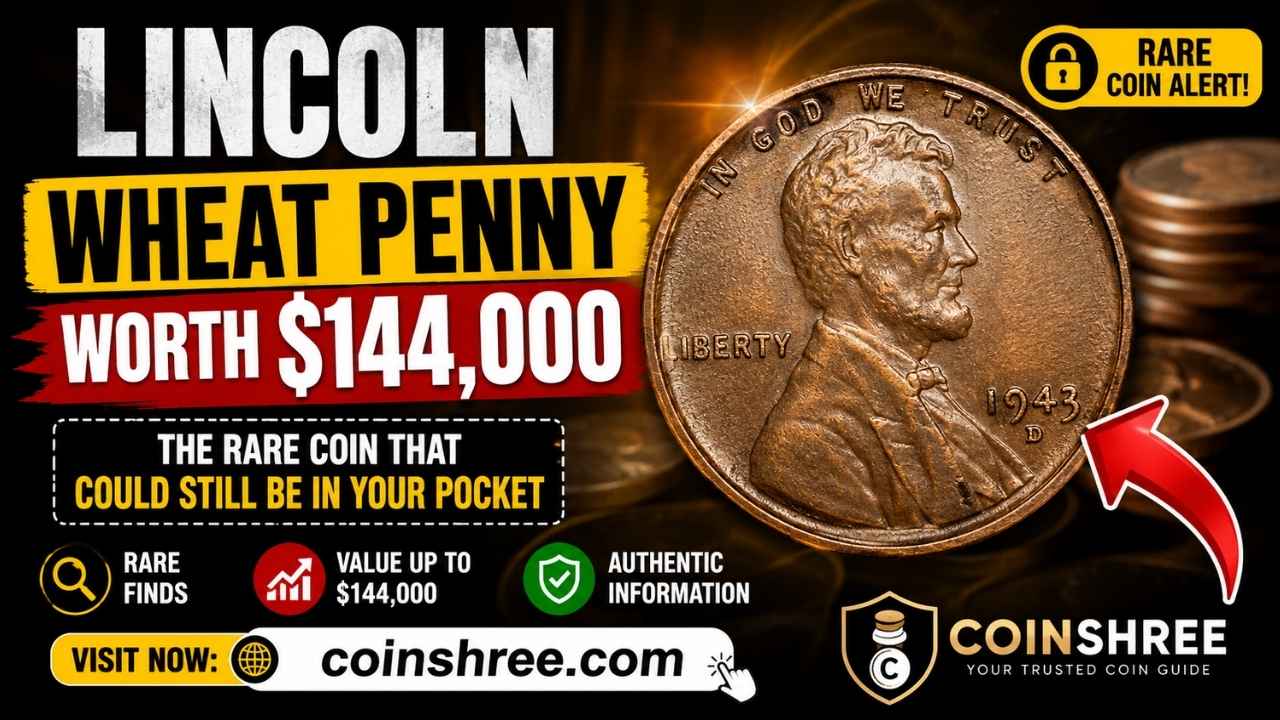
The Lincoln Wheat Penny remains one of the most collected coins in American history. Even in 2026, collectors across the world continue searching old jars, piggy banks, and inherited coin boxes hoping to discover a rare Wheat Penny worth hundreds or even thousands of dollars. These historic coins were minted between 1909 and 1958 and are easily recognized by the two wheat stalks on the reverse side.
The value of Wheat Pennies has changed significantly from 2015 to 2026 due to rising collector demand, online auctions, silver and copper market trends, and the growing popularity of coin collecting on social media platforms. Some common Wheat Pennies are worth only a few cents, while rare varieties can sell for life changing amounts.
This complete collector’s guide explains Wheat Penny values year by year, the rarest coins to watch for, grading tips, mint marks, and the latest market trends collectors should know in 2026.
What Is a Wheat Penny
The Wheat Penny, also known as the Lincoln Wheat Cent, was first introduced in 1909 to honor Abraham Lincoln’s 100th birthday. It replaced the Indian Head Cent and became the first regular U.S. coin to feature a real historical figure.
The front side displays Abraham Lincoln’s portrait, while the back side shows two wheat ears surrounding the words “ONE CENT.”
These pennies were produced at three major U.S. Mint locations:
• Philadelphia with no mint mark
• Denver with a D mint mark
• San Francisco with an S mint mark
Collectors value these coins because of their historical importance, rare mint errors, and limited surviving high grade examples.
Wheat Penny Value Chart 2015–2026
Below is a general value trend chart for average circulated Wheat Pennies from 2015 through 2026.
| Year | Common Wheat Penny Value | Rare Date High Value |
|---|---|---|
| 2015 | $0.03 to $0.10 | Up to $2,500 |
| 2016 | $0.05 to $0.15 | Up to $3,000 |
| 2017 | $0.05 to $0.20 | Up to $4,000 |
| 2018 | $0.08 to $0.25 | Up to $5,500 |
| 2019 | $0.10 to $0.30 | Up to $6,000 |
| 2020 | $0.15 to $0.50 | Up to $8,000 |
| 2021 | $0.20 to $0.75 | Up to $10,000 |
| 2022 | $0.25 to $1.00 | Up to $15,000 |
| 2023 | $0.30 to $1.20 | Up to $20,000 |
| 2024 | $0.35 to $1.50 | Up to $28,000 |
| 2025 | $0.40 to $2.00 | Up to $40,000 |
| 2026 | $0.50 to $2.50 | Up to $50,000+ |
Values vary depending on coin condition, rarity, mint mark, and grading certification.
Most Valuable Wheat Pennies To Look For
Some Wheat Pennies are considered legendary among collectors. These rare coins continue increasing in value every year.
1909 S VDB Wheat Penny
This is one of the most famous Lincoln cents ever minted. Only a limited number were produced before the designer’s initials were removed. In high grades, this coin can sell for tens of thousands of dollars.
1914 D Wheat Penny
The Denver mint produced relatively few pennies in 1914. Genuine examples are extremely valuable today.
1922 No D Wheat Penny
A minting error caused some 1922 pennies to appear without the Denver mint mark. These are highly collectible.
1931 S Wheat Penny
Low mintage numbers make this coin a key date in any collection.
1943 Copper Wheat Penny
Most 1943 pennies were made from steel due to wartime metal shortages. A few copper examples accidentally entered circulation and became among the rarest U.S. coins ever made.

1955 Double Die Wheat Penny
This famous error coin shows noticeable doubling in the lettering and date. It remains one of the most wanted error pennies worldwide.
Why Wheat Penny Prices Increased After 2020
The Wheat Penny market saw massive growth after 2020. Several factors contributed to this rise.
Increased online coin collecting communities attracted younger collectors. Viral social media videos also encouraged people to search old coin collections.
Inflation and economic uncertainty pushed investors toward collectible assets like coins and precious metals.
Online auction platforms created stronger competition for rare Wheat Pennies, causing prices to rise rapidly between 2021 and 2026.
Professional grading services also played an important role by authenticating coins and increasing buyer confidence.
How Coin Grading Affects Wheat Penny Value
Coin grading is one of the most important factors in determining a Wheat Penny’s worth.
A heavily worn Wheat Penny may sell for only a few cents, while the same coin in mint condition can be worth hundreds or thousands of dollars.
Collectors generally use these grading categories:
Good
Very worn but date visible.
Fine
Moderate wear with clearer details.
Extremely Fine
Light wear with sharp features.
About Uncirculated
Minimal signs of handling.
Mint State
No visible wear and strong original luster.
Professional grading companies often assign numerical grades from MS60 to MS70. Higher grades usually command dramatically higher prices.
Mint Marks and Their Importance
Mint marks identify where a coin was produced. Wheat Pennies from certain mints are rarer than others.
No Mint Mark
Produced in Philadelphia.
D Mint Mark
Produced in Denver.
S Mint Mark
Produced in San Francisco.
San Francisco minted Wheat Pennies are often more valuable because of lower production numbers.
Collectors should always inspect mint marks carefully using magnification tools.
Tips For Finding Valuable Wheat Pennies
Many valuable Wheat Pennies are still found in circulation, estate collections, and old coin jars.
Search through bank rolls carefully.
Check inherited coin collections from family members.
Look for key dates and unusual errors.
Avoid cleaning coins because cleaning reduces collector value.
Store coins in protective holders to preserve condition.
Using a magnifying glass can help identify doubled letters, missing mint marks, and rare varieties.
Are Wheat Pennies Still Worth Collecting In 2026
Yes. Wheat Pennies remain one of the safest and most popular entry points into coin collecting.
They are affordable for beginners while also offering major investment potential through rare dates and errors.
The market remains active in 2026 because collectors appreciate the historical significance of these coins and the possibility of discovering hidden treasures.
Many experts believe high quality Wheat Pennies will continue gaining value over the next decade due to decreasing supply and growing collector demand.

Official Coin Information Source
Collectors can verify official coin details, mint history, and educational resources through the official U.S. Mint website:
United States Mint Official Website
Final Thoughts
The Wheat Penny market has evolved significantly from 2015 to 2026. What was once considered a simple one cent coin has become a major collectible category with strong investment appeal.
Whether you are a beginner collector or an experienced numismatist, understanding mint marks, rare dates, grading standards, and market trends can help you identify valuable coins hidden in everyday collections.
Rare Wheat Pennies continue breaking records at auctions, and even common examples remain popular because of their historical charm and accessibility.
Checking your old coins carefully today could uncover a hidden piece of American history worth far more than one cent.
FAQ
What is the rarest Wheat Penny?
The 1943 Copper Wheat Penny is considered one of the rarest and most valuable Wheat Pennies ever produced.
Are all Wheat Pennies valuable?
No. Most common Wheat Pennies are worth only a few cents, but rare dates and error coins can be extremely valuable.
How do I know if my Wheat Penny is valuable?
Check the year, mint mark, condition, and possible minting errors. Rare combinations can significantly increase value.
Should I clean old Wheat Pennies?
No. Cleaning coins usually lowers collector value and may damage the surface permanently.
Where can I sell Wheat Pennies?
Collectors commonly sell coins through coin dealers, auctions, coin shows, and online marketplaces.
Why are 1943 pennies special?
Most 1943 pennies were made from steel during World War II. Rare copper versions accidentally produced are worth thousands or even millions.
Can Wheat Pennies still be found in circulation?
Yes. Although uncommon, some Wheat Pennies still appear in circulation, coin rolls, and inherited collections today.