
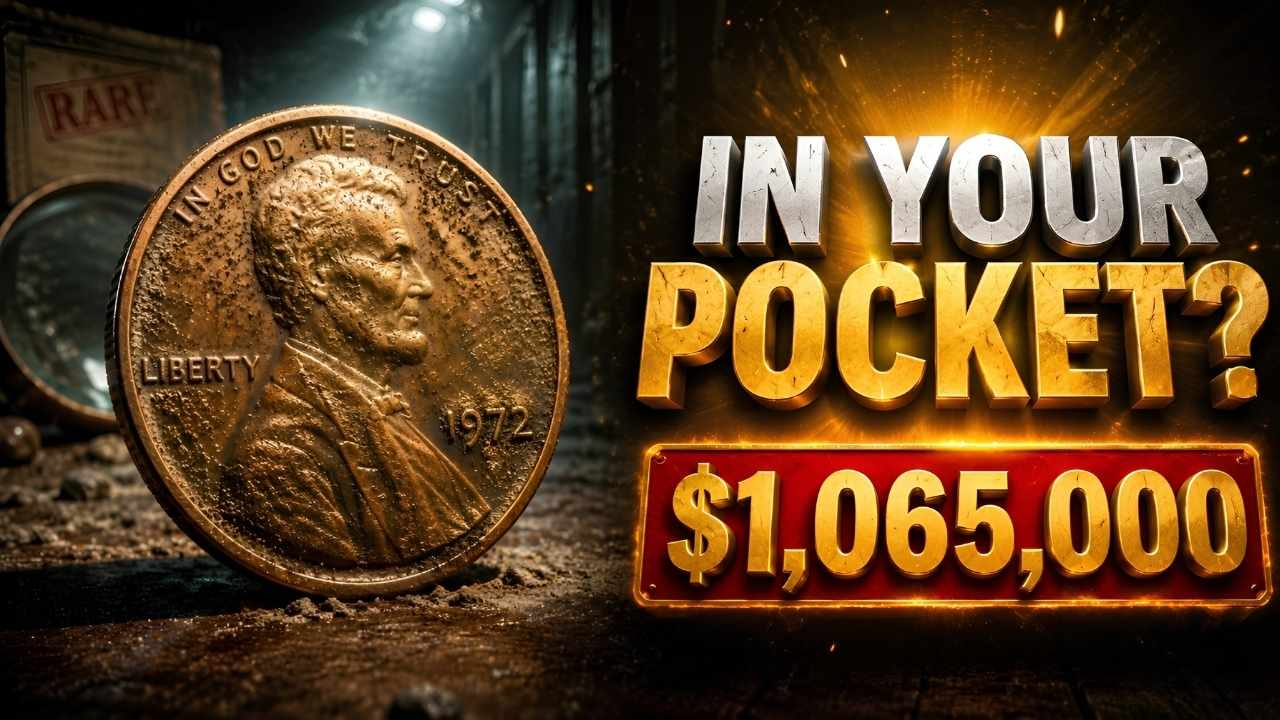
For many Americans, pennies are the coins that often end up forgotten in jars, wallets, or the bottom of a drawer. Because they carry the smallest face value in U.S. currency, most people rarely give them a second thought. However, the world of coin collecting tells a very different story. Some pennies have become highly desirable because of their rarity, mint errors, historical significance, or limited surviving examples.
Over the years, a handful of extraordinary Lincoln cents have achieved remarkable auction results, with one famous example selling for more than one million dollars. While such discoveries are exceptionally rare, valuable pennies are still occasionally found in circulation, inherited collections, estate sales, and old coin jars.
Understanding what makes a penny collectible can help you identify coins that deserve a closer look before spending them.
Why Certain Pennies Are Worth Much More Than One Cent
A penny becomes valuable for many reasons beyond its age. Collectors evaluate coins based on rarity, condition, mint mark, historical importance, original surfaces, and genuine mint errors.
Some coins were produced in very limited numbers, while others became valuable because they were struck using the wrong metal or feature dramatic minting mistakes. In many cases, even common date pennies can become desirable if they are preserved in outstanding condition.
Professional authentication is essential because many valuable coins have been altered or counterfeited over the years.
The Famous 1943 Copper Lincoln Cent
Among all Lincoln cents, the 1943 Copper Lincoln Cent remains one of the most legendary.
During World War II, the United States Mint changed penny production from copper to zinc coated steel to conserve copper for military equipment. However, a very small number of leftover copper planchets from 1942 were accidentally struck with the 1943 date.
These genuine copper cents are extremely rare and are considered one of the greatest mint errors in American coin history.
Exceptional authenticated examples have sold for well over one million dollars at public auction, making this coin one of the most valuable pennies ever produced.
The 1909 S VDB Lincoln Cent
The 1909 S VDB Lincoln Cent holds a special place in U.S. coin collecting because it marked the first year of the Lincoln cent series.
Designer Victor David Brenner placed his initials on the reverse of the coin, but public criticism led to their quick removal. Only a limited number of San Francisco examples with the VDB initials entered circulation.
Today, authentic examples remain among the most sought after Lincoln cents, especially those with strong original detail and minimal wear.
The 1955 Doubled Die Lincoln Cent
One of the easiest famous error coins to recognize is the 1955 Doubled Die Lincoln Cent.

The doubling is clearly visible on the date and inscriptions, making it one of the most dramatic error coins ever released into circulation.
Because many entered everyday commerce before the mistake was noticed, collectors still search rolls of pennies hoping to find one.
High quality authenticated examples continue to attract strong collector demand.
The 1922 No D Lincoln Cent
In 1922, Lincoln cents were produced only at the Denver Mint.
Due to worn minting equipment, some coins were struck without the visible D mint mark. These coins became known as the 1922 No D Lincoln Cent.
Collectors carefully study these coins because several similar varieties exist, and only specific examples are considered highly desirable.
Authentication is recommended before assuming significant collector value.
The 1914 D Lincoln Cent
The 1914 D Lincoln Cent is another important key date in the Lincoln cent series.
Its relatively low production combined with decades of circulation means that well preserved examples are difficult to locate today.
Because demand has remained consistently strong among Lincoln cent collectors, genuine examples often command impressive premiums depending on their condition.
Valuable Pennies Can Still Be Found
Although million dollar pennies are extraordinarily rare, collectors still discover interesting coins in circulation.
Older wheat cents, better date Lincoln cents, off center strikes, clipped planchets, doubled dies, and other legitimate mint errors occasionally appear in pocket change, bank rolls, estate collections, and inherited coin albums.
Searching pennies remains one of the most affordable ways to begin coin collecting because valuable discoveries are still possible.
How to Check Your Pennies
If you believe you have found an unusual penny, begin by examining the date, mint mark, and overall appearance under good lighting.
Avoid cleaning the coin because cleaning can permanently reduce collector value.
Compare your coin with official reference photographs and consult a reputable professional grading service if the coin appears rare or unusual.
Professional grading confirms authenticity, identifies important varieties, and establishes an accurate condition grade that collectors recognize worldwide.
Factors That Influence Penny Values
Several important characteristics affect collector value.
Rarity is one of the strongest drivers because fewer surviving examples generally increase demand.
Condition also matters significantly. Coins with original mint luster, limited wear, and attractive eye appeal typically receive greater collector interest.
Historical importance, genuine mint errors, low mintages, and certified authenticity can also contribute to higher market values.
Since coin prices change over time, current market demand plays an important role as well.
Building a Collection From Everyday Change
Many successful collectors began by examining the coins already in their pockets.
Searching bank rolls, saving wheat cents, learning key dates, and understanding mint errors are excellent ways to develop knowledge without making expensive purchases.
Patience and careful observation often prove more valuable than luck alone.
Even if you never discover a million dollar rarity, collecting Lincoln cents offers an enjoyable way to explore American history through everyday coins.
Learn More From Official Sources
Collectors seeking reliable information about United States coinage should use official educational resources provided by the United States Mint.
The Mint offers information about circulating coins, coin production, collecting basics, and the history of American currency.

Official Website:
Final Thoughts
Stories about million dollar pennies continue to inspire collectors around the world, but the true excitement of coin collecting comes from learning, researching, and discovering historically significant coins.
While only a tiny number of pennies have reached record breaking auction prices, many collectible Lincoln cents remain within reach of everyday collectors.
By understanding key dates, mint marks, important varieties, and proper coin care, you can better recognize coins that deserve further attention before they disappear back into circulation.
Every penny tells a story, and sometimes that story is worth far more than a single cent.
Frequently Asked Questions
Are valuable pennies still found in circulation?
Yes. Although rare, collectors still occasionally discover wheat cents, better date Lincoln cents, and genuine mint error coins in everyday circulation.
Which penny sold for over one million dollars?
Authenticated examples of the rare 1943 Copper Lincoln Cent have sold for more than one million dollars at auction, depending on condition and market demand.
Should I clean an old penny?
No. Cleaning may permanently damage the surface and reduce its collector value.
How do I know if my penny is valuable?
Check the date, mint mark, condition, and any unusual features. If the coin appears uncommon, consider having it authenticated by a professional grading service.
Does every old penny have collector value?
No. Age alone does not determine value. Rarity, condition, collector demand, and genuine mint errors are much more important factors when determining market value.