
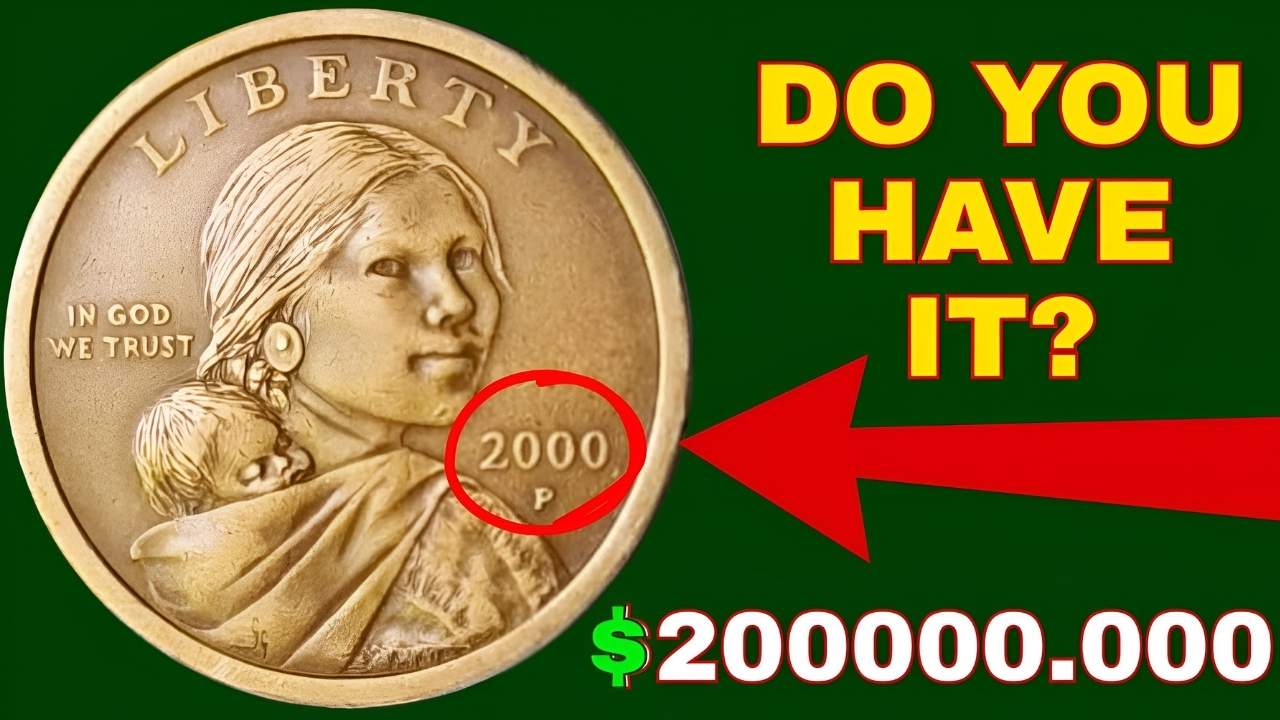
Collecting coins is more than just a hobby. For many people, it is a fascinating journey through American history, craftsmanship, and hidden collector value. Every year, thousands of people discover that an old coin sitting in a drawer, inherited from a family member, or found in everyday change has far greater value than its face amount.
While stories of extremely valuable coins often make headlines, the reality is that a coin’s worth depends on several important factors including rarity, condition, mint mark, historical significance, collector demand, and whether it contains any genuine mint errors or special varieties.
In this guide, we explore five of the most sought after U.S. coins that continue to attract serious collector interest. Even if you do not own the rarest examples, learning about these coins can help you recognize valuable pieces and better understand what makes them desirable in today’s numismatic market.
Why Some U.S. Coins Become Extremely Valuable
Most coins are produced in large numbers, making them common and easy to find. However, certain coins become scarce because they were minted in limited quantities, withdrawn from circulation, produced with unusual mint errors, or preserved in exceptional condition.
Collectors and professional grading services evaluate coins based on several factors such as originality, surface preservation, strike quality, rarity, historical importance, and overall eye appeal. These characteristics can significantly influence market value.
1933 Saint Gaudens Double Eagle
The 1933 Saint Gaudens Double Eagle is one of the most famous American coins ever produced. Although thousands were minted, almost all were ordered to be melted after the United States abandoned the gold standard.
Only a very small number escaped destruction, making surviving examples exceptionally rare. Most collectors will never encounter one, but its story has made it one of the most legendary coins in American numismatic history.
Because of its rarity and legal history, authenticated examples have achieved record breaking prices at major auctions.
1913 Liberty Head Nickel
The 1913 Liberty Head Nickel remains one of the greatest mysteries in American coin collecting. Officially, Liberty Head nickels were replaced before 1913, yet five examples bearing the 1913 date somehow exist.
Only five authentic specimens are known worldwide, making this coin one of the rarest and most recognizable U.S. coins ever discovered.

Its combination of mystery, rarity, and collector demand has kept it among the most valuable coins in the world for decades.
1794 Flowing Hair Silver Dollar
The 1794 Flowing Hair Silver Dollar represents a significant milestone in American history because many experts believe it was among the first silver dollars struck by the United States Mint.
Its historical importance extends far beyond rarity. It symbolizes the beginning of official American silver dollar coinage and remains a centerpiece in advanced collections.
Well preserved examples are exceptionally scarce, and whenever one appears at auction, it attracts worldwide attention from collectors and investors alike.
1943 Copper Lincoln Cent
During World War II, the United States Mint switched from copper to zinc coated steel cents to conserve copper for military production.
A few copper planchets from the previous year were accidentally left in the presses, resulting in the famous 1943 Copper Lincoln Cent.
This rare transitional error has become one of the most searched for coins in America. While millions of steel cents from 1943 remain common, genuine copper examples are extremely rare and should always be authenticated by a reputable grading service before assuming significant value.
1955 Doubled Die Lincoln Cent
The 1955 Doubled Die Lincoln Cent is one of the best known error coins in U.S. history. Strong doubling is clearly visible on the date and lettering, making the error noticeable even without advanced magnification.
Unlike many minor doubling varieties, the dramatic appearance of this coin makes it especially popular among collectors.
Its value depends heavily on condition, originality, and overall preservation, with higher grade examples generally commanding stronger prices in the collector market.
How to Check Whether Your Coin May Be Valuable
If you think you have discovered an unusual coin, avoid cleaning or polishing it. Cleaning can permanently damage the original surface and reduce collector value.
Instead, carefully examine the date, mint mark, design details, and overall condition. Compare your coin with official reference images and consider having potentially valuable pieces authenticated by a respected third party grading service.
Professional authentication helps confirm authenticity, identify varieties, detect alterations, and establish an accurate condition grade.
Common Factors That Affect Coin Value
Several elements determine how much collectors may be willing to pay for a coin.
Rarity is one of the most important factors because fewer surviving examples generally create greater demand.
Condition also plays a major role. Coins with minimal wear, strong original luster, and fewer surface marks are typically more desirable.
Historical significance increases collector interest, especially for coins connected to major events or important periods in American history.
Mint errors, low mintages, original surfaces, and certified authenticity can also contribute to stronger market values.
Where to Learn More About U.S. Coins
Collectors should rely on trusted educational resources when researching coin history, mintages, and official information.
The United States Mint provides educational material covering American coin production, circulating coins, commemorative programs, and collecting basics.

Official Website: https://www.usmint.gov
Final Thoughts
Rare U.S. coins continue to fascinate collectors because they combine history, artistry, rarity, and the excitement of discovery. While the chances of finding one of these legendary coins are small, many collectors have built valuable collections by carefully studying dates, mint marks, varieties, and preservation.
Remember that every coin should be evaluated individually. Two coins with the same date may have dramatically different collector values depending on condition, authenticity, and rarity. Taking time to research your collection and seeking professional authentication when necessary can help you better understand what you own.
Whether you are a beginner or an experienced collector, learning about America’s most famous rare coins is an excellent way to appreciate the rich history behind U.S. coinage.
Frequently Asked Questions
What makes a U.S. coin valuable?
A coin’s value depends on rarity, condition, historical importance, collector demand, mint mark, authentic mint errors, and professional authentication.
Should I clean an old coin before selling it?
No. Cleaning can damage the original surface and significantly reduce collector value.
Are all old coins valuable?
Not necessarily. Age alone does not determine value. Many old coins remain common, while some newer coins with rare varieties can be much more desirable.
How can I verify if my coin is rare?
Start by checking the date, mint mark, and design details. If the coin appears unusual, consult a professional grading service for authentication.
Can coins found in circulation still be valuable?
Yes. Although uncommon, collectors occasionally discover desirable varieties, mint errors, or better date coins in everyday circulation.